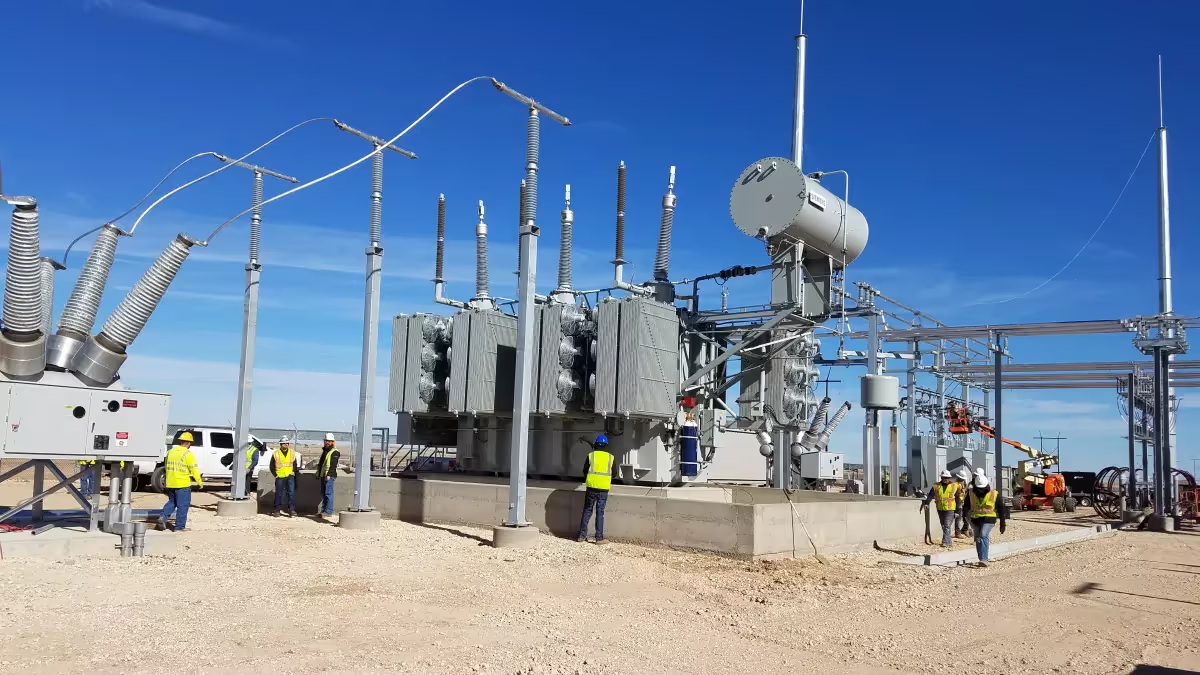
A 32 MVA generator step-up transformer at a major North American utility had been operating reliably for more than two decades when a protection alarm indicated abnormal conditions inside the transformer. The Buchholz relay triggered, signalling gas accumulation within the transformer tank and prompting further investigation.
A dissolved gas analysis conducted two weeks later confirmed a sharp increase in hydrogen levels approaching 1000 ppm, along with rising methane and carbon monoxide concentrations. The gas pattern indicated electrical discharge activity and localised overheating within the transformer.
At this stage, the utility faced a critical question: whether the transformer could safely return to service or whether a developing internal fault was present. Re-energising the transformer without further investigation risked intensifying the fault, potentially leading to severe arcing and permanent winding damage.
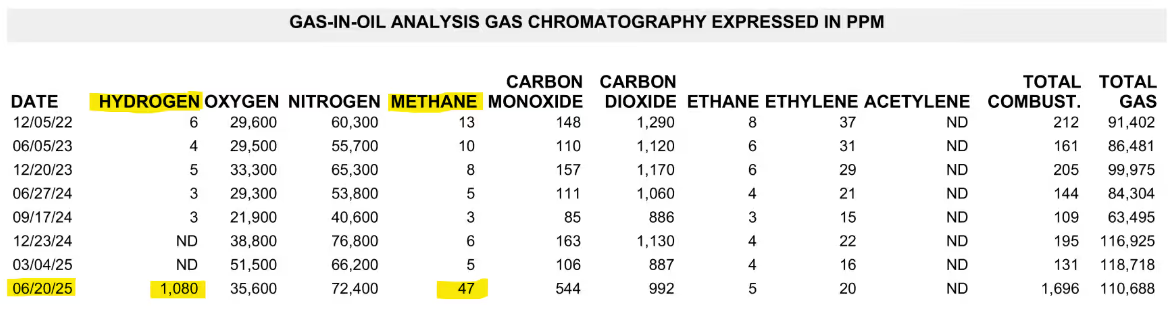
Figure 1 - Gas in Oil Test Results
Turns Ratio Test
The turns ratio measurements were within acceptable limits across all three phases, confirming that the electrical relationship between the windings remained correct. This result indicated that the windings themselves were electrically intact and that the issue was unlikely to be related to winding ratio or electrical configuration.
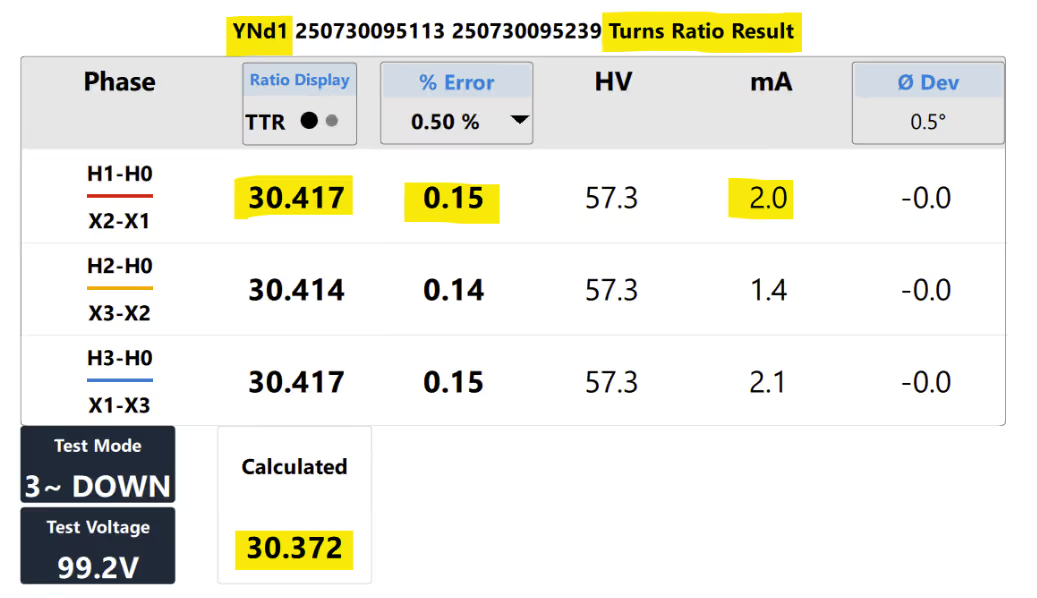
Figure 2 - Turns Ratio Test Results from Megger TAU3 Instrument
The winding resistance measurements revealed a significant imbalance. The measurement was verified using two separate winding resistance tests performed with instruments from different manufacturers, both of which confirmed the same abnormal result.
On the high-voltage side, resistance values were stable, showing only a 0.17% difference between phases, which is well within acceptable limits.
On the low-voltage side, however, the resistance difference between the X1 and X2 windings measured 5.39%.
In practice, a healthy transformer measured at the same temperature typically shows phase-to-phase resistance differences of around 2% or less. The results, therefore, indicated a likely connection issue within the low-voltage winding circuit.
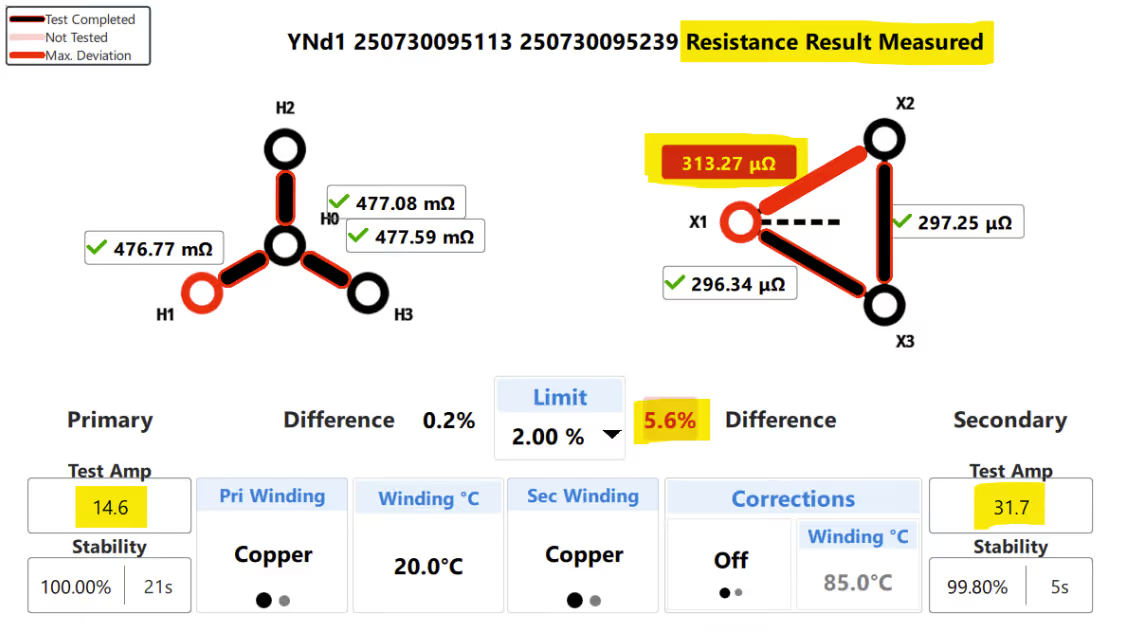
Figure 3 - Winding Resistance Results from Megger TAU3
Short-circuit impedance measurements also produced abnormal results, reinforcing the conclusion that a mechanical or connection-related defect was present inside the transformer. When considered alongside the winding resistance imbalance, the diagnostic evidence increasingly pointed to a problem associated with the low-voltage winding connections.
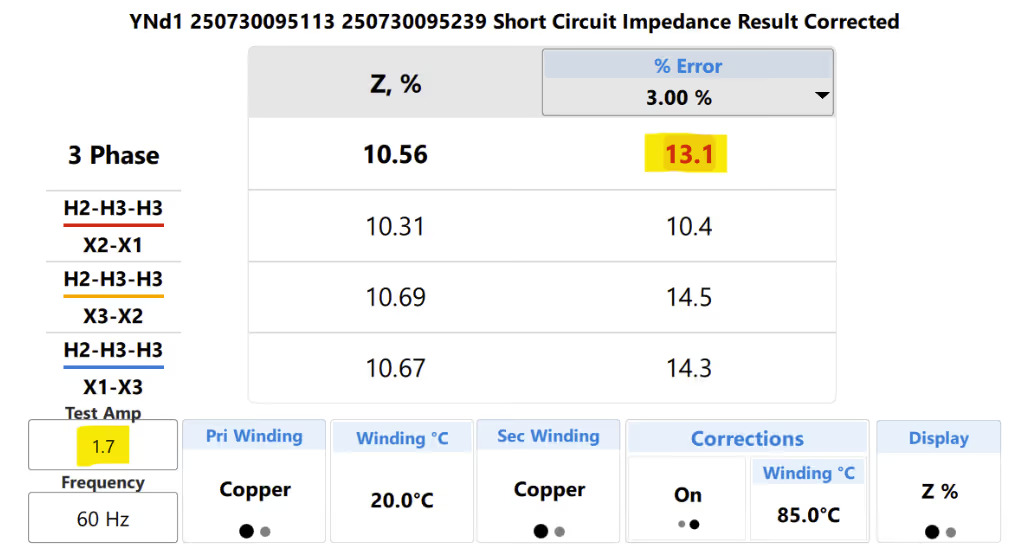
Figure 4 - Short-Circuit Impedance Test Results Megger TAU3
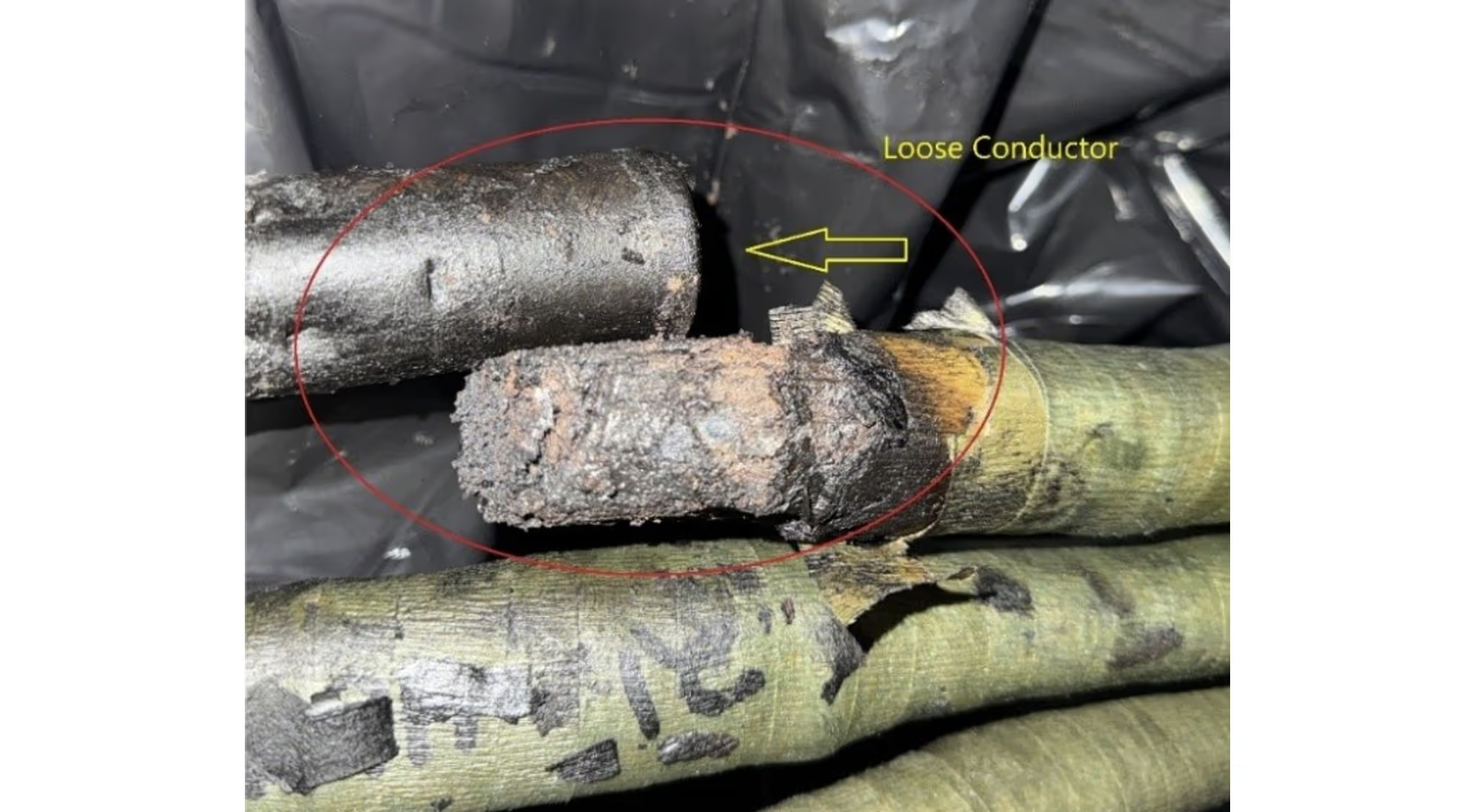
To confirm the diagnosis, engineers drained the transformer oil and performed an internal inspection of the active part of the transformer. The root cause was identified immediately.
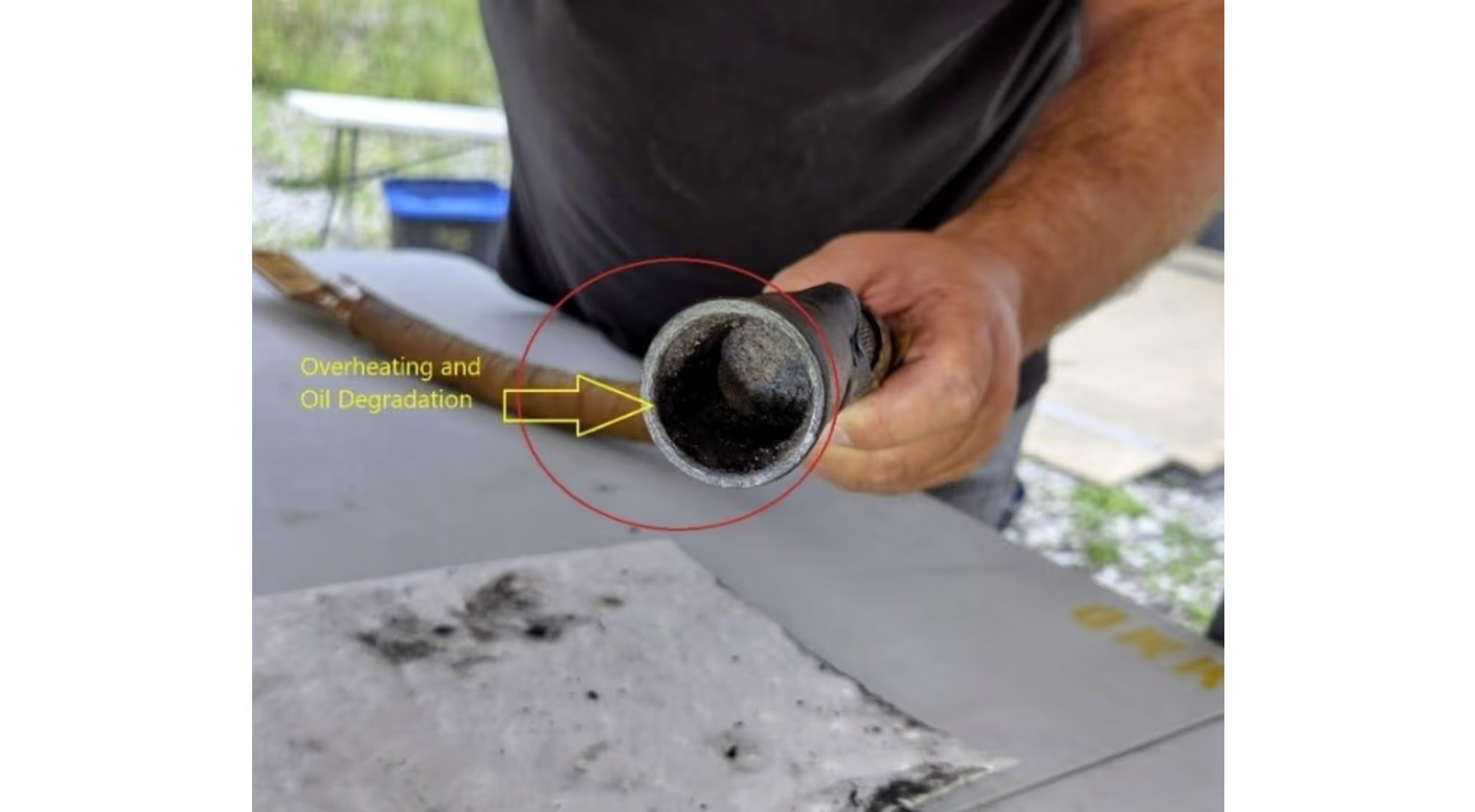
The crimped joint connecting the X1 winding to the X1 bushing had never been properly secured during manufacturing. The conductor connection could be separated by hand and showed clear evidence of overheating and oil degradation.
This loose connection increased resistance within the winding circuit. The resulting heat generation produced the gas signature detected during dissolved gas analysis and caused the resistance imbalance observed in the electrical tests. Although the defect had likely been present since manufacture, it remained hidden inside the transformer for more than 23 years before being discovered.
The damaged conductor section was removed and replacement components were installed. Because the overheating had affected part of the winding connection, a longer conductor section was required to complete the repair.
Engineers also sourced a suitable crimping tool capable of operating within the restricted internal space inside the transformer. Once the repair was completed, the transformer was returned to service.
The investigation highlighted several important diagnostic insights:
Monitoring systems such as dissolved gas analysis can indicate abnormal conditions, but electrical tests are required to identify the fault mechanism.
Phase-to-phase resistance differences greater than approximately 2% may indicate connection defects or developing winding problems.
In this case, a poorly secured connection remained inside the transformer for more than two decades before being detected.
Connection defects inside transformer windings can lead to localised heating, insulation degradation, and eventually transformer failure. Identifying these faults early allows utilities to take corrective action before catastrophic equipment damage occurs.
By combining monitoring data with comprehensive electrical testing, engineers can build a clearer picture of transformer condition and diagnose developing faults more effectively. Modern transformer diagnostic systems, such as the Megger TAU3 transformer test system, allow several measurements to be performed efficiently and compared directly during fault investigations.
This investigation shows how combining monitoring data with electrical diagnostic testing can help you uncover hidden faults inside power transformers.
In this investigation, engineers used the Megger TAU3 transformer test system to perform winding resistance, turns ratio, and impedance measurements, allowing them to compare results and identify the root cause of the fault.
If you are investigating abnormal transformer behaviour or analysing diagnostic test results, Megger specialists can help you interpret the data and determine the right next step.