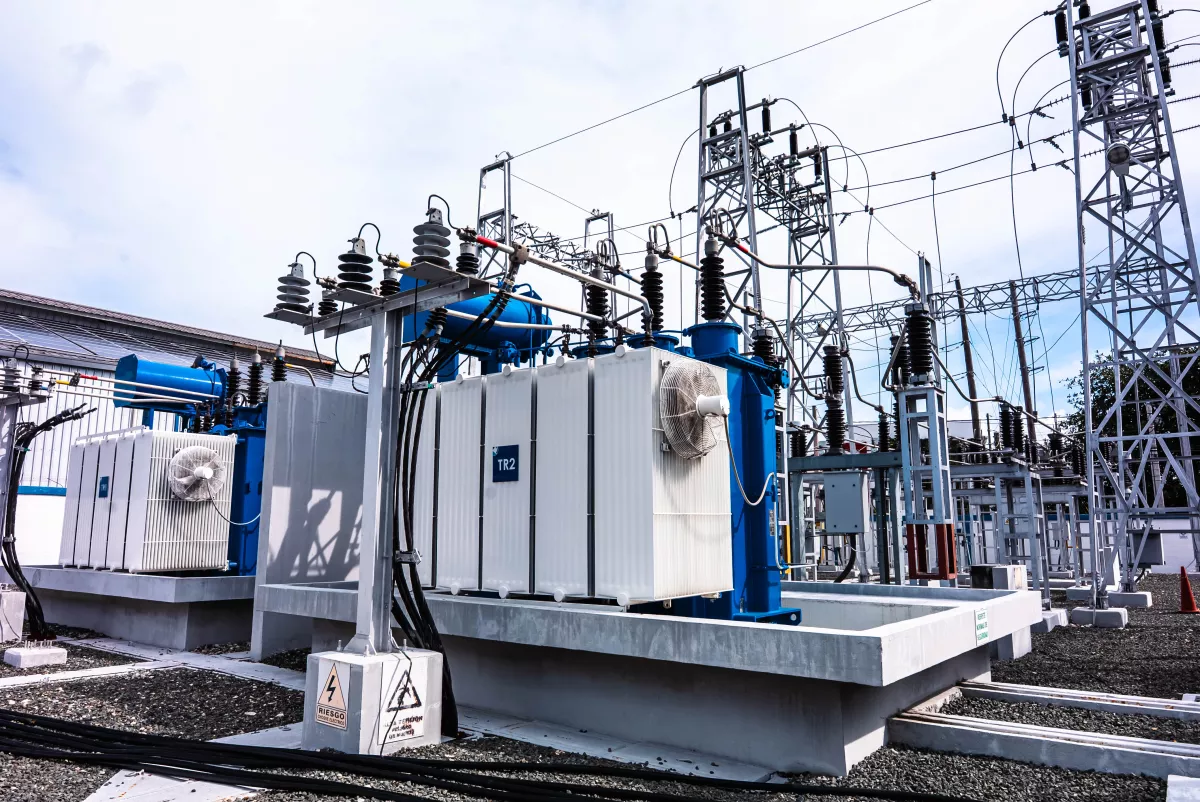
When an SFRA result on site does not match the factory fingerprint, the question is not simply whether the trace has changed. The more important question is whether the difference reflects a genuine mechanical change inside the transformer, or whether the comparison has been affected by the measurement conditions behind it.
During commissioning, service investigation, or post-transport verification, that distinction matters. A shifted trace, a changed curve shape, a shifted resonance point, or a mismatch in one frequency region can create pressure around energisation, further investigation, customer communication, and the next stage of work. The result may point to winding movement, core-related change, lead influence, grounding issues, or a difference in how the test was set up and repeated.
SFRA comparison depends on more than having a reference trace on file. The factory fingerprint gives teams a baseline, but the value of that baseline depends on how confidently the current result can be compared against it. When the site measurement does not align with the original reference, teams need to reduce avoidable uncertainty before deciding what the result means.
Following a consistent comparison process helps engineers verify the conditions behind the measurement before deciding whether the deviation warrants further investigation.
During commissioning, a mismatch can hold up the next stage of work until the team has enough confidence in the result. The transformer may be close to energisation, other activities may be waiting on the outcome, and the customer may need a clear explanation before work can move forward. In this situation, an uncertain comparison can turn a technical deviation into a planning issue.
During service investigation, the pressure is different but just as practical. The transformer may already be under suspicion because of transport history, fault exposure, abnormal behaviour, or previous test results. If the SFRA trace changes but the cause is unclear, the engineer needs to decide whether the result supports escalation, further testing, continued monitoring, or a review of the measurement conditions.
In both situations, the team needs a documented basis for choosing the next step: repeat the measurement, perform additional tests, continue monitoring or escalate the investigation.
Common sources of uncertainty include:
None of these factors rule out a genuine problem inside the transformer. They simply need to be understood before the changed trace is treated as evidence of mechanical movement, deformation or displacement.
A clearer comparison comes from reducing those unknowns in a controlled order. The more confidently the team can account for the measurement conditions, the stronger the basis for deciding what the result means.
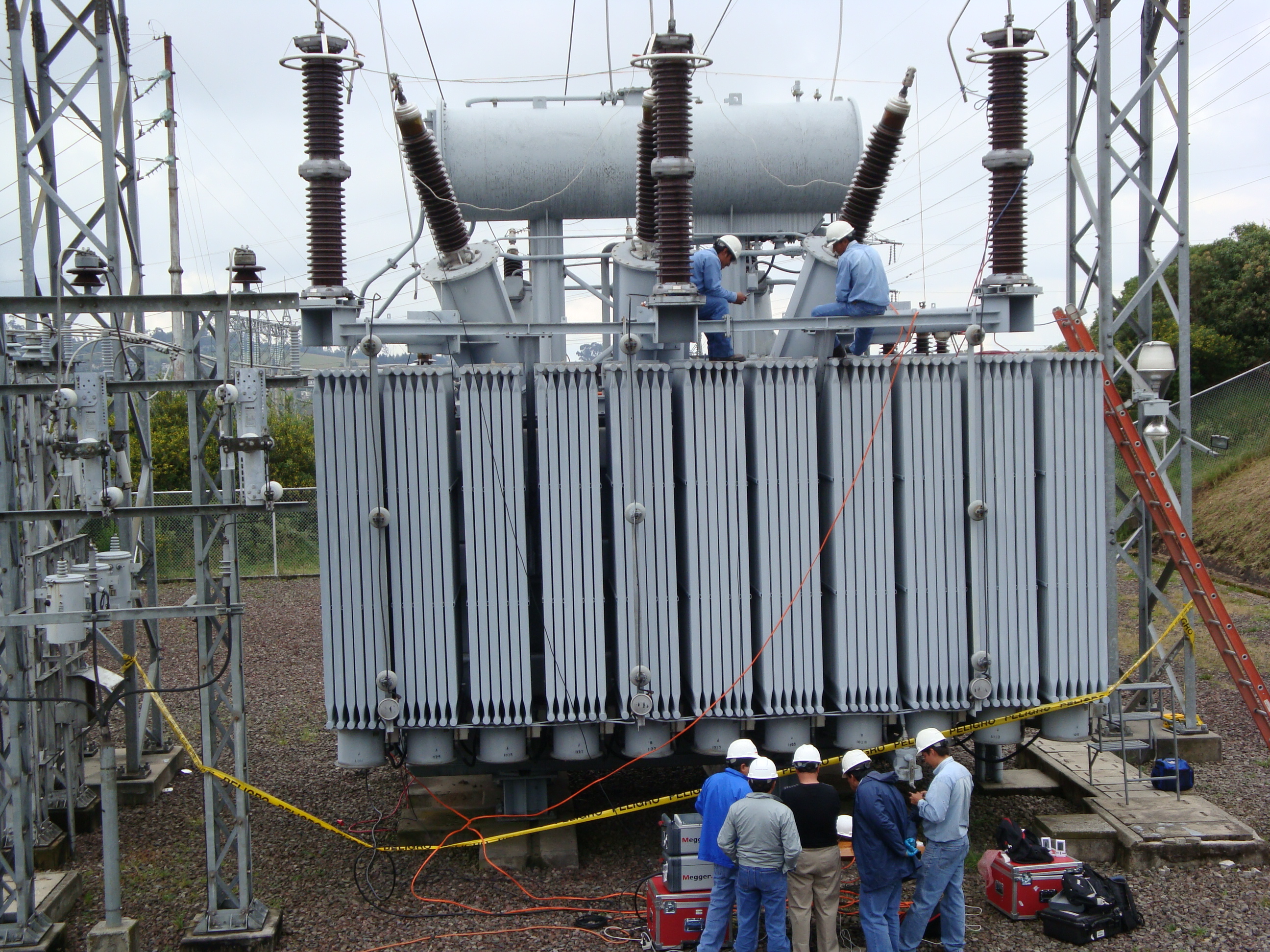
Repeatability helps engineers determine whether a deviation persists under controlled test conditions. By repeating the measurement with the same connections, grounding arrangement, cable positions, transformer configuration and test sequence, the team can see whether the change is reproducible.
A deviation that appears consistently provides a stronger reason for further investigation. If it changes or disappears when the test conditions are standardised, the team can address those measurement variables before escalating the result.
When an SFRA result changes, review the comparison in a defined sequence.
First, confirm that the reference trace belongs to the correct transformer and winding, and establish the configuration and conditions under which it was recorded.
Next, check whether the site measurement reproduces the original tap position, winding configuration, grounding arrangement, connections, cable routing, secondary-side shorting and test parameters as closely as practicable.
Repeat the measurement under controlled conditions to determine whether the deviation is reproducible. A persistent deviation provides a stronger basis for investigation than one that changes when the setup is corrected or standardised.
The SFRA result should also be considered alongside relevant offline transformer tests, such as excitation current, winding resistance, short-circuit impedance, turns ratio and capacitance. Evidence from these measurements can help the team determine whether the changed trace is consistent with a wider change in the transformer.
The checklist brings these checks into one sequence, helping engineers document the comparison and decide whether to repeat the test, carry out further diagnostics or escalate the result.
When an SFRA result does not match the factory fingerprint, the difference may indicate a mechanical change inside the transformer, such as winding movement, deformation or displacement. However, the result can also be affected by measurement conditions, including setup differences, grounding, connection practice, tap position, lead influence or residual magnetism in the core.
The factory fingerprint provides a reference for comparing future SFRA measurements. Its value depends on how well the current test conditions can be matched to the original measurement and how clearly any differences between the two tests are understood.
Before acting on a changed SFRA trace, teams should confirm the reference, review the test setup, check grounding and connections, consider transformer configuration, account for core magnetisation, and confirm whether the deviation is repeatable under controlled conditions.
Yes. Differences in cable routing, grounding, lead placement, connection practice, shorting arrangements or the test sequence can affect the trace. These factors should be checked against the factory test setup before the deviation is used to support a decision.